Using Degrassi: A Grungy, Graffiti-Inspired Font for Creative Projects
The Degrassi font, designed by Typodermic, offers a unique aesthetic that blends graffiti-inspired elements with a grungy, hand-crafted feel. It’s not the most conventional choice for formal typography, but for designers looking to add an edgy, urban vibe to their work, Degrassi can be a compelling option. Understanding its characteristics and how it fits into different design scenarios can help you decide if it’s the right fit for your next project.
What Makes Degrassi Unique?
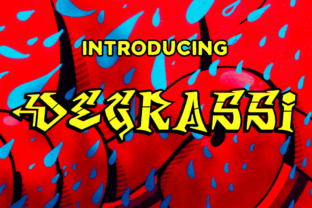
Degrassi stands out due to its irregular, uneven strokes and raw, unpolished appearance. This font is not meant for readability in large blocks of text but rather for visual impact. Its design mimics the look of spray-painted letters, making it ideal for logos, posters, or branding that aims to evoke a street art or alternative culture vibe.
The font includes a range of stylistic alternates, allowing for variations in letterforms that enhance its graffiti-inspired appeal. These alternates can be used to create a more dynamic and expressive typographic layout, which is particularly useful in graphic design projects that require a sense of movement or energy.
When Degrassi Is a Good Fit
Degrassi excels in situations where visual flair and a distinct personality are more important than legibility. For example, it works well for:
- Music album covers – Especially for genres like hip-hop, punk, or alternative rock, where the font's edginess aligns with the music's tone.
- Event posters – For festivals, concerts, or local gatherings that aim to capture a rebellious or underground atmosphere.
- Brand identities – For businesses targeting younger, trend-conscious audiences who value authenticity and nonconformity.
In these contexts, Degrassi adds a layer of visual interest that can differentiate a design from more standard fonts. Its rough, handmade look can communicate a sense of creativity and individuality, which may resonate with specific target audiences.
Comparing Degrassi to Similar Fonts
While Degrassi has a distinctive style, it shares similarities with other graffiti or graffiti-inspired fonts such as Bebas Neue, Impact, or Black Ops One. However, each of these fonts has its own strengths and limitations.
Bebas Neue is clean and bold, offering a modern, minimalist approach that still conveys strength and presence. It’s more versatile for a wider range of design applications, including web use and print materials. In contrast, Degrassi’s irregularity makes it less suitable for long-form text but more effective for headlines and titles.
Impact is another strong contender for bold, attention-grabbing typography. It’s widely used in advertising and signage due to its high visibility and clarity. While Impact is more readable at smaller sizes, it lacks the artistic, hand-crafted feel that Degrassi brings to the table.
Black Ops One is a more stylized option, combining elements of graffiti with a slightly more structured appearance. It’s often used in gaming or entertainment contexts, offering a balance between creativity and usability. However, it doesn’t have the same level of rawness or unpredictability as Degrassi.
These comparisons highlight that while Degrassi is not the most practical choice for every situation, it fills a niche where its unique aesthetic is an asset rather than a drawback.
Strengths and Limitations of Degrassi
The primary strength of Degrassi lies in its ability to convey a specific mood or identity through its visual style. Its graffiti-inspired design makes it a go-to option for projects that want to express a sense of rebellion, creativity, or urban culture. The font’s alternates also provide flexibility, allowing designers to tailor the look to their specific needs.
However, this same characteristic can also be a limitation. The irregularity of the letterforms can make Degrassi difficult to read in certain contexts, especially when used in small sizes or in dense text blocks. Additionally, its unconventional appearance may not align with more traditional or professional design expectations, which could limit its applicability in certain industries.
Another consideration is the font’s availability. While Degrassi is free to use, some users may find that its limited character set or lack of support for multiple languages restricts its utility for international projects. Designers should evaluate whether the font meets their specific requirements before incorporating it into a broader typographic system.
Best Situations for Using Degrassi
Degrassi is best suited for projects where the visual impact of the typography is more important than its functional readability. For instance, it can be an excellent choice for:
- Art installations – Where the font’s texture and energy contribute to the overall artistic expression.
- Marketing campaigns – For brands aiming to connect with a younger, more subcultural audience.
- Personal projects – Such as t-shirt designs, zines, or digital art that benefits from a custom, handcrafted look.
In these cases, the font’s imperfections and unpredictability are not flaws but features that add character and depth to the design. When used appropriately, Degrassi can elevate a project’s visual identity and make it stand out from the crowd.
When to Consider Alternatives
If your design requires a more neutral or universally accessible typeface, alternatives like Helvetica, Arial, or Roboto may be more appropriate. These fonts offer greater clarity and consistency, making them better suited for corporate communications, editorial content, or user interfaces where readability is critical.
For projects that still want a creative edge but need more versatility, fonts like Playfair Display or Raleway provide a balance between style and functionality. They maintain a strong visual presence while remaining legible across different sizes and formats.
Ultimately, the decision to use Degrassi depends on the goals of your design. If you’re looking for a bold, unconventional typeface that reflects a specific aesthetic, Degrassi can be a powerful tool. But if clarity and broad usability are your top priorities, you may need to explore other options.
Conclusion: Weighing the Options
Degrassi is a distinctive font that offers a unique blend of graffiti-inspired energy and artistic expression. Its irregular, hand-crafted look makes it ideal for projects that benefit from a strong visual identity, particularly those targeting younger or subcultural audiences. However, its limitations in terms of readability and versatility mean it may not be the best choice for every design scenario.
By understanding the strengths and tradeoffs of Degrassi, you can make a more informed decision about whether it fits your needs. Whether you choose Degrassi or another font, the key is to align your typographic choices with the goals and context of your project.