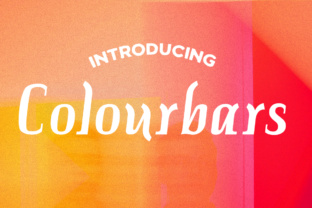
Discover the Elegance of Colourbars: A Timeless Font for Modern Design
The world of typography is vast and ever-evolving, with new fonts constantly emerging to meet the needs of designers, writers, and creators. Among these, Colourbars stands out as a unique and versatile typeface that blends classic charm with modern adaptability. This italic serif font, developed by Typodermic, offers a distinctive aesthetic that can elevate any design project. Whether you're working on a branding campaign, a website layout, or a print publication, Colourbars provides a visual language that is both expressive and functional.
One of the most striking features of Colourbars is its elegant, swooping curves and subtle slant. The font’s italic style gives it a sense of movement and grace, making it ideal for headings, logos, and other display elements. Its serif structure adds a touch of traditional sophistication, while the overall design remains clean and legible. This combination of form and function makes Colourbars a valuable tool in a designer’s toolkit.
Characteristics That Set Colourbars Apart
What makes Colourbars truly unique is its balance between decorative flair and readability. Unlike many script fonts that prioritize style over clarity, Colourbars maintains a level of legibility that allows it to be used effectively in body text as well. This versatility is rare among similar fonts, which often limit their use to short phrases or titles. With Colourbars, you can confidently use it for longer passages without sacrificing readability.
The font’s swash characters and fluid strokes add an artistic dimension that can bring a sense of personality to any design. These details are especially effective when used in creative projects such as wedding invitations, book covers, or editorial layouts. The subtle slant of the font also contributes to a dynamic visual rhythm, helping to guide the reader’s eye through the text in a natural and engaging way.
Practical Applications of Colourbars
While Colourbars is undoubtedly a decorative font, its practical applications extend beyond just aesthetics. In the realm of digital design, it can be used to create visually appealing headlines that stand out without overwhelming the surrounding content. For instance, in a blog post or article, using Colourbars for the title can draw attention while maintaining a cohesive design scheme.
In print media, Colourbars can enhance the visual appeal of brochures, posters, and packaging. Its classic style pairs well with both modern and traditional design elements, making it a flexible choice for a wide range of projects. When paired with simpler fonts for body text, Colourbars can serve as a focal point that adds character and depth to the overall composition.
Advantages of Using Colourbars
One of the key advantages of Colourbars is its availability as a free font from Typodermic. This accessibility makes it an attractive option for designers, students, and hobbyists who may not have the budget for premium typefaces. Despite being free, Colourbars does not compromise on quality, offering a professional-grade look that can rival many commercial fonts.
Another benefit of Colourbars is its adaptability across different platforms and mediums. Whether you’re designing for web, mobile, or print, the font retains its visual integrity and clarity. This consistency is crucial for maintaining a strong brand identity across multiple channels. Additionally, the font’s open type features allow for advanced typographic control, giving designers more flexibility in how they use it.
Considerations for Effective Use
While Colourbars is a powerful font, it’s important to use it thoughtfully to avoid overcomplicating a design. Because of its decorative nature, it works best when used sparingly and in conjunction with simpler fonts. Overuse can lead to a cluttered or confusing layout, particularly in body text where clarity is essential.
Designers should also consider the context in which Colourbars will be used. For example, in a corporate setting, the font may need to be balanced with more formal typefaces to maintain a professional tone. In contrast, in a creative or artistic project, the font’s expressive qualities can be fully embraced to convey a specific mood or message.
Real-World Examples and Observations
Looking at real-world examples of Colourbars in action can provide insight into its effectiveness. Many independent designers and small businesses have successfully incorporated the font into their branding materials, using it to create a sense of elegance and individuality. In some cases, it has been used to highlight key messages or to add a personal touch to a design.
One notable observation is how Colourbars can influence the emotional response of an audience. Its flowing lines and graceful curves evoke a sense of refinement and creativity, making it a popular choice for projects that aim to communicate artistry or sophistication. This emotional resonance can be a powerful tool in marketing and storytelling, where the visual language of a design plays a significant role.
Conclusion
Colourbars is more than just a font—it’s a design asset that combines beauty with functionality. Its unique characteristics make it suitable for a wide range of applications, from digital interfaces to print media. By understanding its strengths and limitations, designers can harness the full potential of Colourbars to create visually compelling and meaningful work. Whether you’re looking to add a touch of elegance to your designs or explore new typographic possibilities, Colourbars offers a fresh and inspiring approach to typography.