Skinny Dipping: A Sleek, Hand-Drawn Font for Stylish Designs
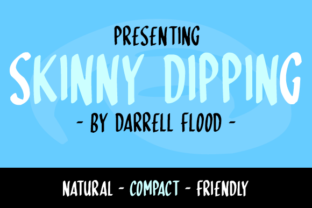
Skinny Dipping is a compact, hand-drawn font that brings a unique blend of elegance and modernity to any design project. Its tall, thin letterforms are crafted with angled marker lines, giving it a clean, crisp look that stands out in both digital and print formats. Created by designer Darrell Flood, this font offers a fresh alternative to more traditional typefaces, making it ideal for those looking to add a touch of personality to their work.
Whether you're working on a logo, a social media graphic, or an editorial layout, Skinny Dipping can help elevate your designs with its distinctive style. Its visual characteristics make it particularly well-suited for projects that require a balance between professionalism and creativity. The font’s slim structure and sharp angles lend themselves to a variety of applications, from branding to packaging design.
The Visual Appeal of Skinny Dipping
Skinny Dipping has a personality all its own. Its narrow letterforms create a sense of movement and energy, while the angled strokes give it a dynamic feel. This font isn’t just about aesthetics—it’s about creating a visual language that communicates confidence and sophistication. The contrast between the thin strokes and bold angles makes it highly readable, even at smaller sizes, which is a key advantage for designers who need clarity without sacrificing style.
One of the most appealing aspects of Skinny Dipping is its versatility. It works well as a display font, drawing attention to headlines and titles, but it can also be used in more subtle ways for body text when paired correctly. The font’s hand-drawn quality adds a personal touch, making it a great choice for brands that want to convey authenticity and creativity.
Where Skinny Dipping Shines
This font excels in a wide range of design contexts. For branding projects, Skinny Dipping can serve as a strong foundation for logos, especially for businesses in the fashion, tech, or lifestyle industries. Its sleek appearance aligns well with modern typography trends, making it a smart choice for companies aiming to project a contemporary image.
In editorial design, Skinny Dipping can be used to highlight key sections of a publication, such as article titles or section headers. Its readability ensures that readers can easily navigate through content while still enjoying the visual appeal of the font. For web design, it can be used in hero sections or call-to-action buttons to create a striking visual impact.
When it comes to packaging design, Skinny Dipping adds a refined yet approachable look. It’s perfect for products targeting a younger, trend-conscious audience. In social media graphics, the font can help differentiate content from the competition, making posts more engaging and memorable.
How Skinny Dipping Influences Design
The choice of a font like Skinny Dipping can have a significant impact on how a brand is perceived. Its clean, stylized appearance can enhance visual hierarchy, guiding the viewer’s eye through a composition with ease. When used effectively, it can also reinforce a brand’s identity, helping to build recognition and consistency across different platforms.
Readability is a crucial factor when selecting a font, and Skinny Dipping performs well in this regard. While it’s not a serif or sans serif font, its structured form ensures that it remains legible even at smaller sizes. This makes it a practical option for both print and digital media, where clarity is essential.
For designers, understanding how to pair Skinny Dipping with other fonts is key. It works best with complementary typefaces that balance its slim structure. A bolder, more traditional font can provide contrast, while a simpler sans serif can offer a clean, modern counterpoint. Testing different combinations in real-world scenarios helps ensure that the final design looks cohesive and professional.
Practical Tips for Using Skinny Dipping
If you’re considering using Skinny Dipping in your next project, start by evaluating how it fits with your overall design concept. Ask yourself whether its style aligns with the message you want to convey. For example, if you’re designing for a luxury brand, Skinny Dipping may not be the best fit unless it’s used in a way that reinforces the brand’s aesthetic.
Testing the font in different sizes and contexts is also important. What looks great in a headline might not work as well in body text. Be sure to review how it appears on various devices and in different lighting conditions to ensure it maintains its visual appeal.
When it comes to commercial use, check the licensing terms to make sure you’re allowed to use the font in your specific application. Some fonts come with restrictions on resale or modification, so it’s always a good idea to confirm these details before incorporating them into your work.
Ultimately, Skinny Dipping is more than just a font—it’s a design tool that can help bring your creative vision to life. Whether you’re working on a personal project or a commercial campaign, its unique style and versatility make it a valuable addition to your design assets.