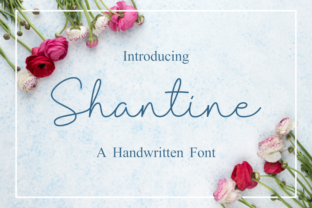
Shantine: A Versatile Monoline Script for Elegant Design
The Shantine font is a monoline script that brings a sense of refinement and sophistication to any design project. Its elegant style makes it ideal for a wide range of applications, from logos to invitations, weddings, and personal signatures. With its clean lines and balanced structure, Shantine offers both visual appeal and practical usability, making it a valuable tool for designers and creators across various industries.
One of the standout features of Shantine is its readability. Unlike some script fonts that can be difficult to read in small sizes or at a distance, Shantine maintains clarity even when used in more compact formats. This quality ensures that it can be effectively used in both digital and print media without compromising legibility. Whether it's a headline on a website or a label on a product, Shantine delivers a polished look that commands attention without sacrificing functionality.
Applications of Shantine in Design
Shantine’s versatility makes it a popular choice for a variety of design projects. In the realm of branding, it is often used for logos that aim to convey a sense of class and elegance. For instance, luxury brands, boutique businesses, and creative studios may incorporate Shantine into their visual identity to establish a refined aesthetic. Its fluidity and consistency make it suitable for both modern and traditional designs, allowing it to adapt to different styles and trends.
In the wedding industry, Shantine is frequently used for invitations, RSVP cards, and other formal stationery. Its graceful curves and uniform stroke width lend themselves well to romantic and celebratory themes. Couples looking for a personalized touch in their wedding materials often choose Shantine to add a unique and sophisticated flair. Additionally, it can be paired with other fonts to create a cohesive and visually appealing layout that balances form and function.
For personal use, Shantine is an excellent option for signatures, name tags, and handwritten-style text. Its smooth flow and consistent weight make it easy to read while still maintaining a stylish appearance. This makes it a go-to choice for professionals who want to add a touch of elegance to their business cards, letters, or digital correspondence.
Advantages of Using Shantine
One of the key advantages of Shantine is its adaptability. It works well in both digital and print formats, making it a reliable choice for designers working across multiple mediums. The font’s monoline structure ensures that it remains consistent in appearance, regardless of the size or context in which it is used. This uniformity helps maintain a professional and cohesive look throughout a project.
Another benefit of Shantine is its ease of use. Unlike some complex script fonts that require careful kerning or spacing adjustments, Shantine is designed to be user-friendly. It typically requires minimal tweaking to achieve a polished result, saving time and effort during the design process. This makes it accessible to both novice and experienced designers who are looking for a reliable and efficient typeface.
Additionally, Shantine’s neutral yet elegant style allows it to complement a wide range of other fonts. It pairs well with sans-serif and serif typefaces, creating contrast and visual interest in layouts. This flexibility makes it a valuable asset for designers who want to experiment with different typographic combinations while maintaining a cohesive and professional appearance.
Considerations When Using Shantine
While Shantine is a versatile and readable font, there are some considerations to keep in mind when using it in different contexts. For example, in large blocks of text, such as body paragraphs or lengthy articles, Shantine may not be the best choice due to its script-like nature. In such cases, a more traditional serif or sans-serif font would be more appropriate for optimal readability.
Designers should also be mindful of the intended audience when selecting Shantine. While it conveys elegance and sophistication, it may not be suitable for all types of projects. For instance, a casual or informal setting might benefit more from a simpler or more playful font. Understanding the tone and message of a project is essential in determining whether Shantine is the right fit.
Furthermore, it is important to consider the technical aspects of using Shantine. Ensuring that the font is properly licensed for commercial use is crucial, especially if it will be incorporated into branding or published materials. Some fonts come with specific usage restrictions, so verifying the terms of use before implementation is a necessary step for any designer or business owner.
Real-World Examples of Shantine in Action
Many designers have successfully integrated Shantine into their work to enhance the visual appeal of their projects. For instance, a graphic designer working on a brand identity package might use Shantine for the logo and supporting typography, ensuring a consistent and elegant look across all materials. This approach helps reinforce the brand’s image and creates a memorable visual presence.
Another example is a wedding planner who uses Shantine for custom invitations. By incorporating the font into the design, they can offer couples a unique and personalized option that stands out from mass-produced templates. This attention to detail can significantly elevate the overall experience for the client and contribute to a positive reputation within the industry.
Even in educational settings, Shantine has found its place. Teachers or educators may use it for certificates, awards, or promotional materials to add a touch of class and professionalism. Its ability to convey a sense of achievement and recognition makes it a fitting choice for such purposes.