Cantona: A Handwritten Calligraphy Font for Elegant Design
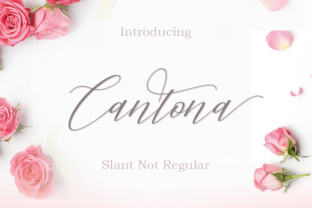
When it comes to adding a touch of sophistication and artistry to your design projects, the Cantona font stands out as a unique and versatile option. This handwritten calligraphy font is more than just a typeface; it's a style that brings a classic and elegant feel to any visual composition. With its dancing baseline, Cantona offers a dynamic and expressive look that can elevate everything from headings to logos and beyond.
The Unique Characteristics of Cantona
Cantona is designed with a fluid and organic structure that mimics the natural flow of handwriting. Unlike rigid digital fonts, this calligraphy style allows for a more personal and artistic expression. The dancing baseline is one of its most distinctive features, giving the text a sense of movement and life. This characteristic makes it ideal for projects where a human touch is desired, such as wedding invitations or personalized branding elements.
The font’s handcrafted appearance also adds a layer of authenticity. It’s not just about looking good—it’s about feeling genuine. Whether you’re creating a logo for a boutique or designing a poster for an event, Cantona can help convey a sense of tradition and craftsmanship that modern, sterile fonts often lack.
Practical Applications of the Cantona Font
One of the most appealing aspects of Cantona is its versatility. It can be used in a wide range of design contexts, making it a valuable addition to any designer’s toolkit. For instance, in the realm of graphic design, Cantona is perfect for headings and titles that need to stand out without being overwhelming. Its elegant curves and flowing lines make it particularly effective for luxury brands or high-end products.
For those involved in print media, Cantona can bring a fresh perspective to letterheads, business cards, and signage. Imagine a restaurant menu or a shop sign that uses this font—each element feels more inviting and approachable. It’s also a great choice for t-shirt designs, where a handwritten aesthetic can add a personal and creative flair.
In the world of weddings, Cantona is especially popular. From invitation suites to ceremony programs, this font can add a timeless and romantic touch. Its ability to blend seamlessly with other design elements makes it a favorite among wedding planners and designers who want to create cohesive and visually appealing materials.
Integrating Cantona into Modern Workflows
As digital design continues to evolve, the demand for fonts that offer both functionality and aesthetics has never been higher. Cantona fits perfectly into this landscape, offering a balance between traditional calligraphy and modern usability. Designers can easily incorporate it into their workflow using vector editing software like Adobe Illustrator or Photoshop, ensuring that the font maintains its quality across different formats and sizes.
Moreover, the font’s adaptability means it can be used in both digital and print projects. Whether you're working on a website header or a printed brochure, Cantona remains consistent in its appeal. This flexibility is especially beneficial for businesses that need to maintain a cohesive brand identity across multiple platforms.
Why Choose Cantona Over Other Fonts?
When choosing a font, it’s important to consider how it aligns with your project’s goals and audience. While many fonts offer a clean and professional look, Cantona provides something different—a sense of warmth and individuality. This makes it a compelling choice for designers who want to stand out in a crowded market.
Another factor to consider is the emotional impact of the font. Handwritten styles like Cantona can evoke feelings of nostalgia, creativity, and authenticity. These qualities can resonate with audiences on a deeper level, making the design more memorable and engaging.
Additionally, Cantona’s unique characteristics can help differentiate a brand or project from competitors. In a world where consistency and professionalism are key, having a distinct visual identity can make all the difference. By using Cantona, designers can create a signature look that sets them apart.
Best Practices for Using the Cantona Font
To get the most out of Cantona, it’s important to use it strategically. While the font is visually striking, it may not be suitable for large blocks of text due to its intricate details. Instead, it works best as a headline or accent font that draws attention without overwhelming the reader.
Pairing Cantona with complementary fonts can also enhance its effectiveness. For example, combining it with a sans-serif font like Helvetica or Arial can create a balanced contrast that highlights the elegance of the calligraphy style. This approach ensures readability while maintaining visual interest.
It’s also worth experimenting with different weights and styles of the font. Some versions may have more pronounced curves or variations in stroke thickness, which can affect the overall look. Testing these options in real-world scenarios can help determine which variation best suits your needs.
Where to Find and Use the Cantona Font
Designers interested in using Cantona can find it through various font marketplaces and design platforms. Many of these sites offer different licensing options, allowing users to choose the right plan based on their project scope and budget. Before purchasing, it’s advisable to review the font’s license agreement to ensure it meets your specific requirements.
Once acquired, integrating Cantona into your design software is typically straightforward. Most programs support standard font formats, making it easy to apply the font to your work. For those new to calligraphy-style fonts, taking time to familiarize yourself with the font’s nuances can lead to better results.