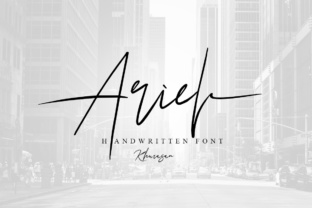
Arial: A Versatile and Timeless Font for Modern Design
Arial is a typeface that has stood the test of time, offering a clean, modern aesthetic that appeals to a wide range of users. Its simplicity and readability make it an excellent choice for both digital and print media. Whether you're designing a website, creating a document, or crafting a signature, Arial provides a professional and polished look that can enhance your work in countless ways.
Originally designed by Robin Nicholas and Patricia Saunders in the early 1980s, Arial was created as a sans-serif alternative to Helvetica. It quickly gained popularity due to its clarity and adaptability across various sizes and mediums. Today, Arial remains one of the most widely used fonts in the world, appearing in everything from corporate branding to everyday office documents.
The Characteristics of Arial
Arial's design is characterized by its geometric structure and even stroke widths. Unlike more ornate fonts, Arial lacks serifs, which contributes to its modern and minimalist appearance. This makes it particularly effective for headings, body text, and other forms of written communication where legibility is key.
One of the standout features of Arial is its versatility. It works well in both large and small sizes, making it suitable for everything from headlines to detailed reports. The font also includes a variety of weights, including bold, light, and regular, allowing designers to create visual hierarchy and emphasis without relying on multiple typefaces.
Another advantage of Arial is its compatibility. Because it is a standard font included with most operating systems, it is easily accessible to a broad audience. This widespread availability ensures that documents and designs using Arial will display consistently across different devices and platforms.
Advantages of Using Arial
When it comes to usability, Arial excels. Its clear letterforms and consistent spacing make it ideal for long-form reading, reducing eye strain and improving comprehension. This makes it a popular choice for textbooks, articles, and other informational content.
Arial is also a great option for digital interfaces. Its sharp edges and uniform proportions ensure that it renders well on screens, whether viewed on a computer monitor, smartphone, or tablet. This makes it a go-to font for web designers, app developers, and user interface specialists looking for a reliable and readable typeface.
For those who value efficiency, Arial offers a streamlined workflow. Its straightforward design means that it requires less time to adjust and format compared to more complex fonts. This can be especially beneficial for professionals who need to produce high-quality content quickly and consistently.
Use Cases for Arial
Arial's broad appeal makes it suitable for a wide range of applications. In the business world, it is often used in presentations, reports, and marketing materials. Its clean lines and professional appearance help convey credibility and authority, making it a common choice for corporate communications.
In education, Arial is frequently used in textbooks, handouts, and online learning platforms. Its readability supports student engagement and helps maintain focus during long study sessions. Educators and instructional designers appreciate its ability to enhance the clarity of educational content without distracting from the message.
For creative professionals, Arial serves as a reliable foundation for graphic design projects. Whether working on logos, brochures, or social media graphics, the font's simplicity allows it to complement more elaborate elements without clashing. It is also a popular choice for personal signatures, where its clean and elegant style adds a touch of sophistication.
Considerations When Using Arial
While Arial is highly versatile, it is important to consider the context in which it is used. In some cases, its minimalism may be perceived as lacking personality, especially when compared to more distinctive typefaces. For projects that require a unique or artistic flair, Arial may not be the best fit.
Designers should also be mindful of how Arial interacts with other elements in their work. Pairing it with overly decorative fonts or complex layouts can create visual clutter and reduce readability. A balanced approach, using Arial as a primary or secondary typeface, often yields the best results.
Additionally, while Arial is widely available, it is not always the default font on all systems. In some cases, alternative fonts may render differently, leading to inconsistencies in how the design appears. To mitigate this, designers can use font embedding techniques or provide fallback options to ensure a consistent experience.
Conclusion
Arial continues to be a valuable tool for designers, writers, and professionals across industries. Its combination of clarity, versatility, and accessibility makes it an essential part of any typographic toolkit. Whether you're working on a formal document, a digital project, or a creative piece, Arial offers a reliable and stylish solution that can elevate your work. By understanding its strengths and limitations, you can make informed decisions about when and how to use this timeless font effectively.