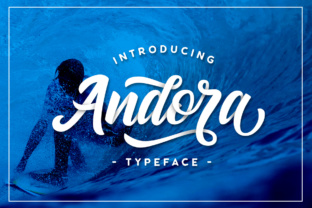
Andora: A Handlettered Font with a Clean Style and Casual Feel
Andora is more than just a font—it's a versatile design tool that blends the warmth of handlettering with the precision of modern typography. Whether you're working on a logo, a social media post, or a branding project, Andora offers a unique balance of creativity and clarity. Its clean lines and casual aesthetic make it ideal for a wide range of applications, from professional to personal use.
But like any design element, choosing and using Andora requires thoughtful consideration. Many users overlook key details that can impact how the font performs in different contexts. Understanding these nuances can help you make better decisions and avoid common pitfalls.
What Is Andora and Why Should You Care?
Andora is a handlettered font designed for those who want a natural, organic look without sacrificing readability. Unlike rigid typefaces, Andora has a slightly uneven stroke and subtle variations that give it a human touch. This makes it perfect for projects that aim to feel authentic, approachable, and expressive.
Its versatility is one of its greatest strengths. From packaging designs to website headers, Andora adapts well to different styles and formats. It works especially well in minimalist or modern settings where a touch of personality is needed without overwhelming the overall design.
However, not all projects are suited for Andora. Some may require a more structured or formal typeface, and forcing Andora into these scenarios can lead to visual clutter or miscommunication. Knowing when and how to use it effectively is key to achieving the best results.
Common Mistakes When Using Andora
One of the most frequent mistakes users make is assuming that a font's style alone determines its effectiveness. While Andora’s casual feel is appealing, it may not be the best choice for every situation. For example, using it in a corporate report or a legal document could undermine the professionalism of the content.
Another common error is overusing the font. Many people apply Andora to entire paragraphs or multiple elements in a design, which can reduce legibility and create a chaotic appearance. A better approach is to use it strategically—perhaps as a headline or accent text—to maintain visual balance.
Some users also neglect to check the font’s licensing terms before downloading or purchasing. This can lead to legal issues if the font is used in a way that violates the license agreement. Always review the usage rights to ensure compliance, especially if the font will be used commercially.
How These Mistakes Affect Results
Using Andora inappropriately can affect several aspects of your project. For instance, poor legibility can make it difficult for readers to engage with your content, reducing the overall impact of your message. Inconsistent application may confuse the audience or dilute the brand identity you're trying to build.
Overlooking licensing details can result in costly legal problems, especially if the font is used in a public or commercial setting. This not only risks financial penalties but also damages your reputation as a designer or creator.
Practical Advice for Better Use of Andora
To get the most out of Andora, start by considering the context of your project. Ask yourself: Does this font align with the tone and purpose of my work? If the answer is yes, then proceed with confidence. If not, consider alternative fonts that better match the desired aesthetic.
When applying Andora, use it sparingly and thoughtfully. A single headline or title in Andora can add a nice contrast to a more traditional typeface, creating a visually interesting composition. Avoid using it in large blocks of text unless the design specifically calls for a more artistic layout.
Before downloading or purchasing, always verify the font’s license. Most reputable foundries provide clear guidelines on how the font can be used. If you’re unsure, reach out to the provider for clarification. This step can save you time and trouble down the line.
What to Check Before Using Andora
Before incorporating Andora into your design, check the following:
- License Agreement: Ensure you understand the terms of use, especially if the font will be used commercially.
- Font Variants: Some fonts come in different weights or styles. Choose the right variant for your needs.
- Compatibility: Confirm that the font works well with the software or platform you're using.
- Readability: Test the font at different sizes and in various contexts to ensure it remains legible.
Realistic Examples and Better Approaches
Imagine you're designing a wedding invitation. Andora could be an excellent choice for the event name or a special message, adding a personal and elegant touch. However, using it for the full text might make the details harder to read. A better approach would be to pair it with a more standard font for the body text.
Another example is a blog header. Using Andora here can draw attention and set a friendly, creative tone. But if you use it for the article content, it may become distracting. Instead, use it as a heading or subheading to highlight key sections without compromising readability.
Final Thoughts on Andora
Andora is a powerful tool when used correctly, offering a blend of creativity and functionality that suits many design needs. By understanding its strengths and limitations, you can avoid common mistakes and make more informed choices about how to apply it.
Whether you're a designer, marketer, or hobbyist, taking the time to evaluate Andora’s fit for your project can lead to better outcomes and greater satisfaction. With the right approach, Andora can enhance your work and bring a fresh, personalized touch to your designs.